
The Allure of Gambling
The allure of gambling in casinos is a powerful force that draws millions of people into these vibrant environments each year. At its core, gambling taps into fundamental human desires, such as the excitement of risk-taking and the gratification of potential rewards. Many enthusiasts enjoy various options, including online platforms where they can engage in activities like casino online games from the comfort of their homes, which can lead to a rush of adrenaline and thrill. This emotional high is a crucial element in the gambling experience, creating a cycle that encourages repeat participation as individuals seek to recreate that initial elation.
This psychological phenomenon is closely tied to the concept of intermittent reinforcement, where the unpredictability of winning keeps players engaged. Unlike consistent rewards, this sporadic success creates a sense of anticipation that can be intoxicating. The experiences in a casino are meticulously designed to enhance these feelings, with bright lights, vivid sounds, and celebratory atmospheres all contributing to a sensory overload that heightens emotional responses. By understanding these psychological elements, casinos effectively draw players in and keep them engaged for extended periods.
Furthermore, the social aspect of gambling should not be overlooked. Many individuals enjoy the communal experience of playing in a casino, whether at a table game or in front of slot machines. This interaction can amplify emotions, as players not only share in the highs of winning but also the lows of losing. The camaraderie formed in these settings can lead to a sense of belonging, further reinforcing the attraction to gambling as a social activity. Ultimately, the allure of gambling is a complex interplay of emotional, social, and psychological factors that keep players returning to casinos.
The Role of Cognitive Biases
Cognitive biases significantly influence how players perceive their chances of winning in casinos. One prominent example is the “gambler’s fallacy,” where individuals believe that past outcomes can influence future results. This erroneous thinking often leads players to make irrational betting decisions, convinced that they are “due” for a win after a string of losses. Such misconceptions can sustain gambling behavior, as players mistakenly maintain optimism about their chances, driving them to persist despite unfavorable odds.
Another cognitive bias is the illusion of control, where gamblers believe they can influence the outcome of a game through their actions. This belief is especially common in games that involve skill, although the inherent randomness of casino games negates this illusion. For instance, a player may feel they can improve their odds in a game of blackjack through strategic plays, overlooking the house edge that remains constant regardless of their choices. This mindset can rationalize continued gambling, further entrenching individuals in their habits.
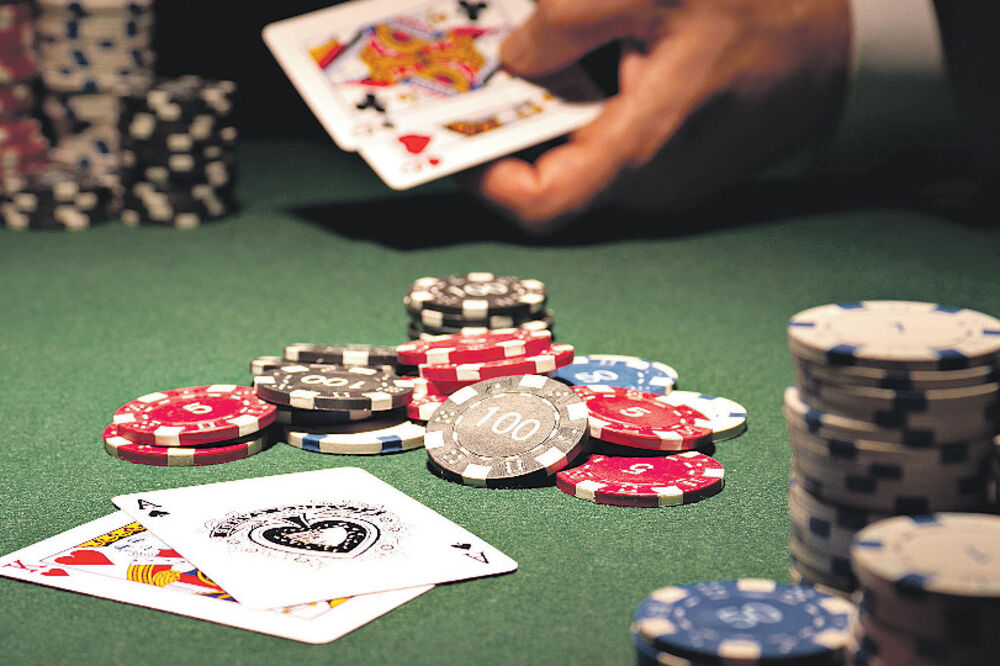
These cognitive biases are often exploited by casinos through marketing and game design. For example, the layout of a casino floor is intentionally crafted to promote the idea that success is just within reach. Slot machines are placed together to create an illusion of frequent wins, and the sounds of coins dropping attract players to machines, drawing them into a cycle of hopeful anticipation. By understanding these psychological factors, casinos can better design experiences that keep players engaged and returning for more.
Emotional Responses and Decision Making
Emotional responses play a pivotal role in gambling behavior, affecting how decisions are made within the casino environment. For many players, the excitement of gambling can lead to heightened emotional states, influencing their choices in unpredictable ways. Positive emotions, such as thrill or joy derived from winning, often encourage players to continue betting, while negative emotions from losing can lead to erratic behavior, such as chasing losses and increasing bets in an attempt to recoup funds. This emotional rollercoaster is central to understanding gambling psychology.
Another important aspect of emotional responses is the impact of loss aversion, a behavioral economic principle. Players tend to feel the pain of losing more acutely than the pleasure of winning, often leading them to gamble more aggressively after a loss in hopes of overcoming it. This behavior can create a destructive cycle, where individuals spiral deeper into gambling as they strive to escape the emotional ramifications of their losses. Understanding this dynamic is essential for those involved in gambling psychology and addiction prevention.
Casinos are acutely aware of the emotional journey of their patrons and often design their games around these psychological principles. For instance, many slot machines employ features like near misses or small wins that momentarily alleviate feelings of loss, keeping players engaged. The subtle manipulation of emotional triggers can create powerful incentives for continued play, making it essential to recognize the emotional landscape that casinos cultivate to ensure players remain immersed in their gambling experiences.
The Impact of Environment on Gambling Behavior
The environment within a casino plays a crucial role in shaping gambling behavior and experiences. Factors such as lighting, sound, and layout are strategically designed to create an atmosphere that fosters excitement and encourages prolonged play. Bright lights and engaging sounds stimulate the senses, creating a feeling of urgency and anticipation. This sensory overload can engross players, making it easy for them to lose track of time and their spending as they become swept up in the thrilling environment.
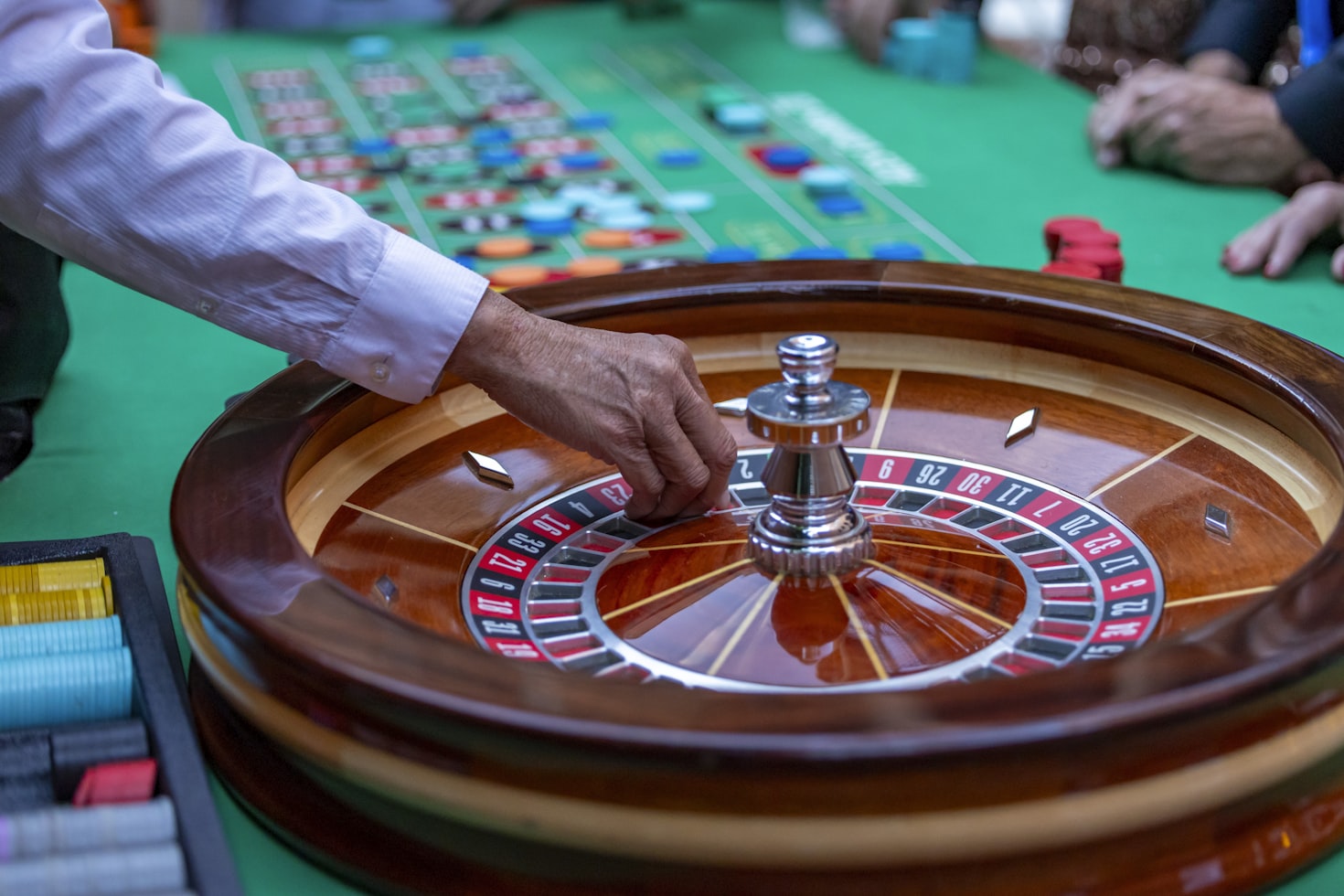
The physical layout of a casino is also meticulously crafted to promote exploration and movement. By strategically placing games and amenities, casinos guide players through the space, encouraging them to engage with various forms of gambling. Open spaces, combined with enticing designs, can draw individuals into playing games they might not have initially chosen. This deliberate arrangement helps maximize the potential for additional play while creating an immersive experience that can be difficult to escape from.
Furthermore, the availability of complementary services, such as free drinks or entertainment, adds another layer to the casino experience. These perks are designed to enhance the overall enjoyment of gambling, further entrenching players in their behavior. The interplay between environment and behavior exemplifies the intricate strategies employed by casinos to create engaging spaces that promote a culture of gambling, influencing both casual bettors and serious players alike.
Understanding Responsible Gambling
Understanding the psychology of gambling is essential for promoting responsible gambling practices. Awareness of the various psychological triggers and biases can empower players to make informed decisions about their gambling habits. Recognizing when emotions are influencing behavior can help individuals establish boundaries and prevent excessive gambling. Responsible gambling initiatives and education play a crucial role in creating a safer gambling environment by encouraging players to acknowledge the potential risks associated with their activities.
Furthermore, casinos themselves are beginning to take proactive measures in addressing problem gambling by implementing responsible gaming programs. These initiatives may include self-exclusion options, where players can voluntarily restrict their access to gambling activities, and providing resources for those seeking help. Casinos are increasingly recognizing their role in promoting healthy gambling habits and are adopting strategies to support this, ultimately benefiting both players and the industry as a whole.
As part of a broader movement toward responsible gambling, websites dedicated to gambling education and awareness are increasingly emerging. These platforms provide valuable resources, ranging from information about gambling addiction to tips for maintaining control while playing. They serve as vital tools for both players seeking guidance and for the industry as a whole to foster a culture of responsible gambling. Promoting awareness of the psychological aspects of gambling is fundamental in creating a sustainable and enjoyable gambling landscape.